


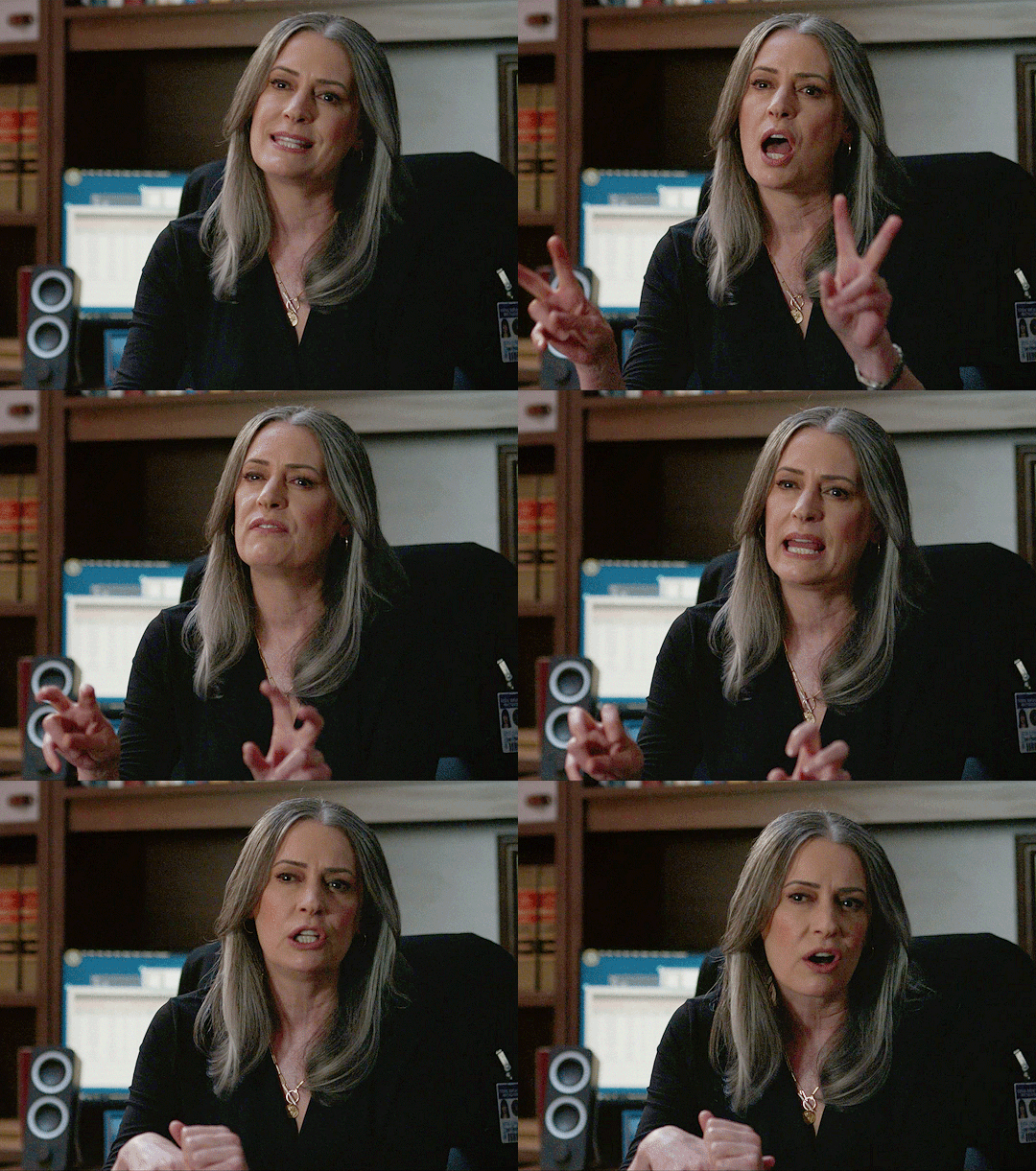
author

  • nameㅤㅤㅤㅤㅤㅤㅤㅤㅤtish.

  • pronounsㅤㅤㅤㅤㅤㅤshe/they.

  • timezoneㅤㅤㅤㅤㅤㅤgmt/bst.

  • astro signㅤㅤㅤㅤㅤsagittarius.

about hey! i'm tish, your friendly weirdo nerd who loves cosplay, video games, spouting random crap on a daily basis and yapping about nothing!i hope you'll love this muse as much as i do, i've been working on her for a little while now and she's been a labour of love and is forever evolving the more i get to interact and build connections!my partner is my world, so please bare with me if i'm not online or responsive. the loml will always get my attention first.but know, no message will be ignored! i will get back to you when i can!

rules


  • DO NOTㅤinteract if you are under the age of eighteen. i do not tolerate minors.

  • DO NOTㅤassume my muse and yours have a connection either romantic or familial. i prefer to plot all of my connections where possible.

  • DO NOTㅤuse any racist, homophibic transphobic slurs etc. any intolerance of any kind will not be tolerated and you will be blocked.

  • DO NOTㅤinteract if you are a lewd focused account or post lewd on main, i will not follow you.

  • DO NOTㅤenter my dms and demand replies, connections or smut. i am way too old to tolerate such behaviour

  • DOㅤinteract with any open posts or interaction calls!

  • DOㅤdrop into my dms and ask to build plots or connections!

  • DOㅤrespect that i have a full time job and i cannot always be there to respond, i also have a life outside of twitter and a partner whom i love very much and always comes first.

  • DOㅤcome to me with any questions about my muse! always happy to yap!

  • DOㅤapproach me if you need anything (reasonably of course)

  • disclaimerㅤthis muse deals with dark, mature themes including trauma, grief, loss, and psychological violence. while care is always taken to handle these topics sensitively and with nuance, please be mindful if any of this may be triggering. veronica is a complex, guarded character shaped by tragedy, and interactions with her will often reflect that emotional depth.

  • i’m open to plotting, character dynamics, and crossovers—but i value chemistry, patience, and mutual respect above all. communication is key, and i welcome ooc check-ins at any time. if you’re interested in writing with her, let’s build something layered, collaborative, and intentional.


muse

  • nameㅤㅤㅤㅤㅤ ㅤㅤㅤveronica sinclair.

  • ageㅤㅤㅤㅤㅤㅤㅤㅤㅤ 52.

  • pronounsㅤㅤㅤㅤㅤㅤ she/her.

  • eye colourㅤㅤㅤㅤㅤㅤgreen.

  • alignmentㅤㅤㅤㅤㅤㅤlawful neutral.

  • class/jobㅤㅤㅤㅤㅤㅤsection chief.

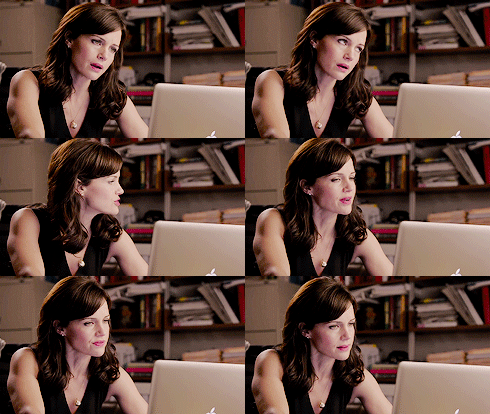
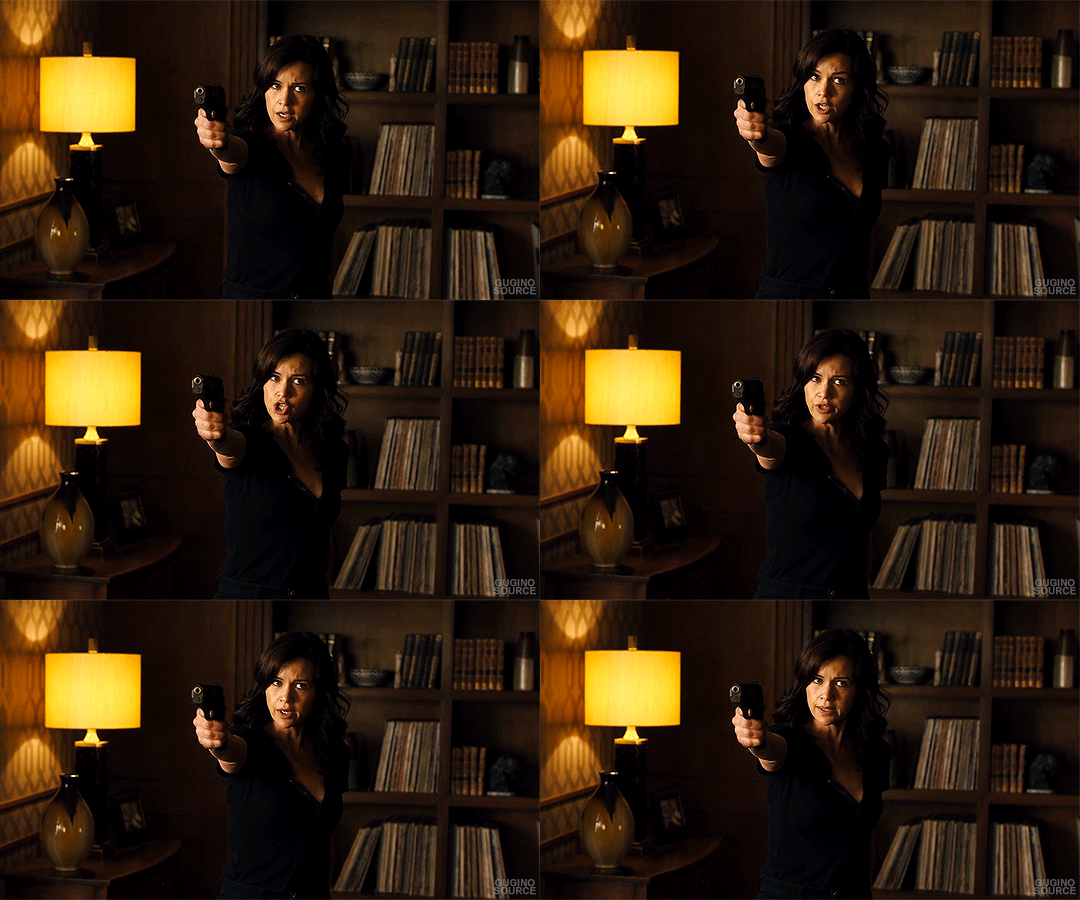
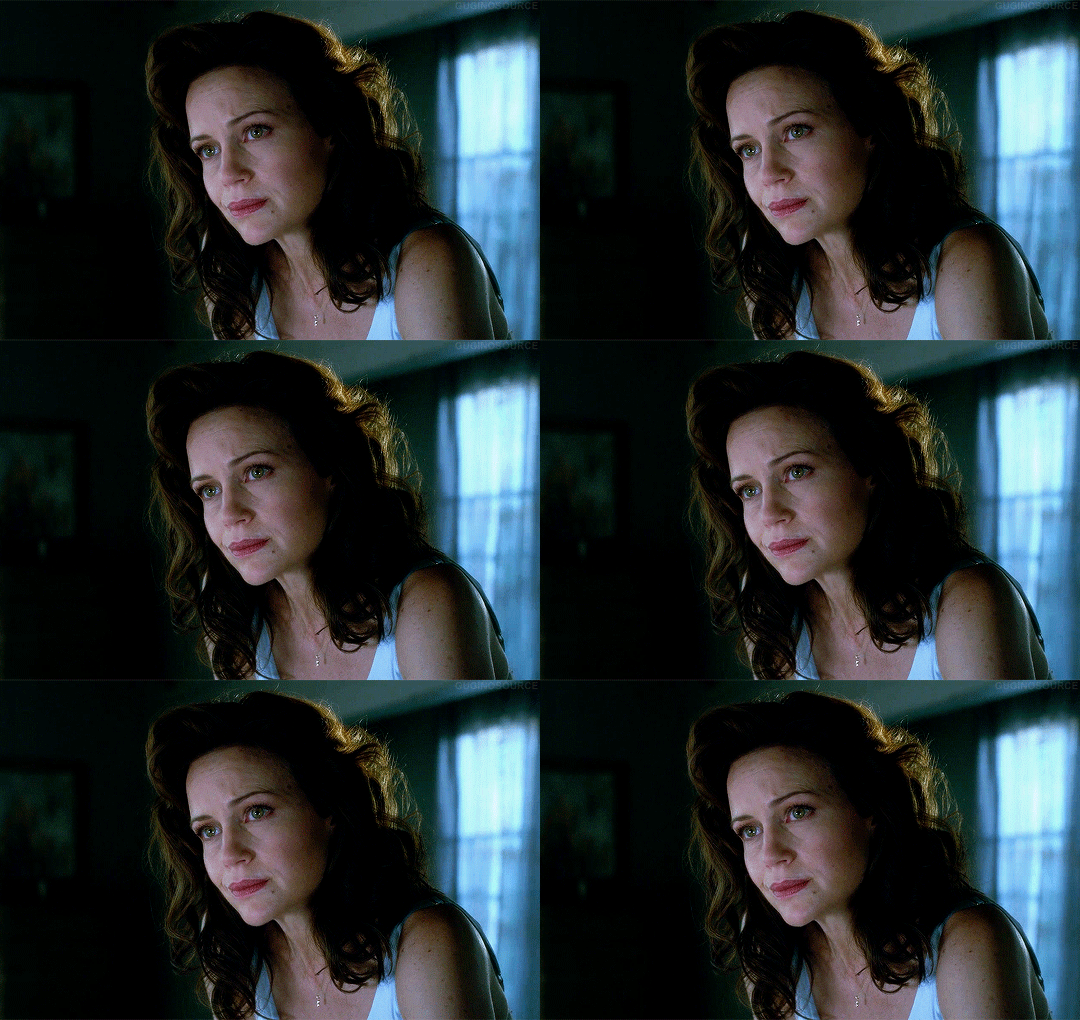
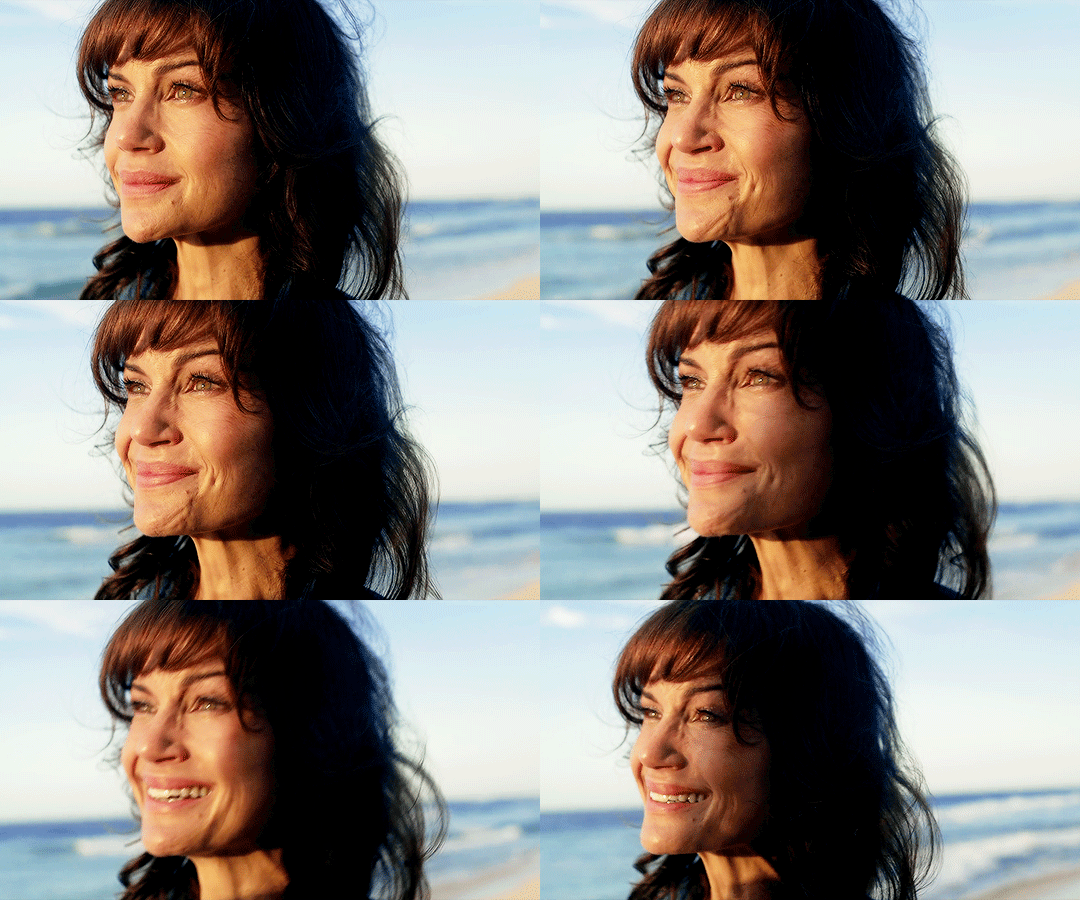
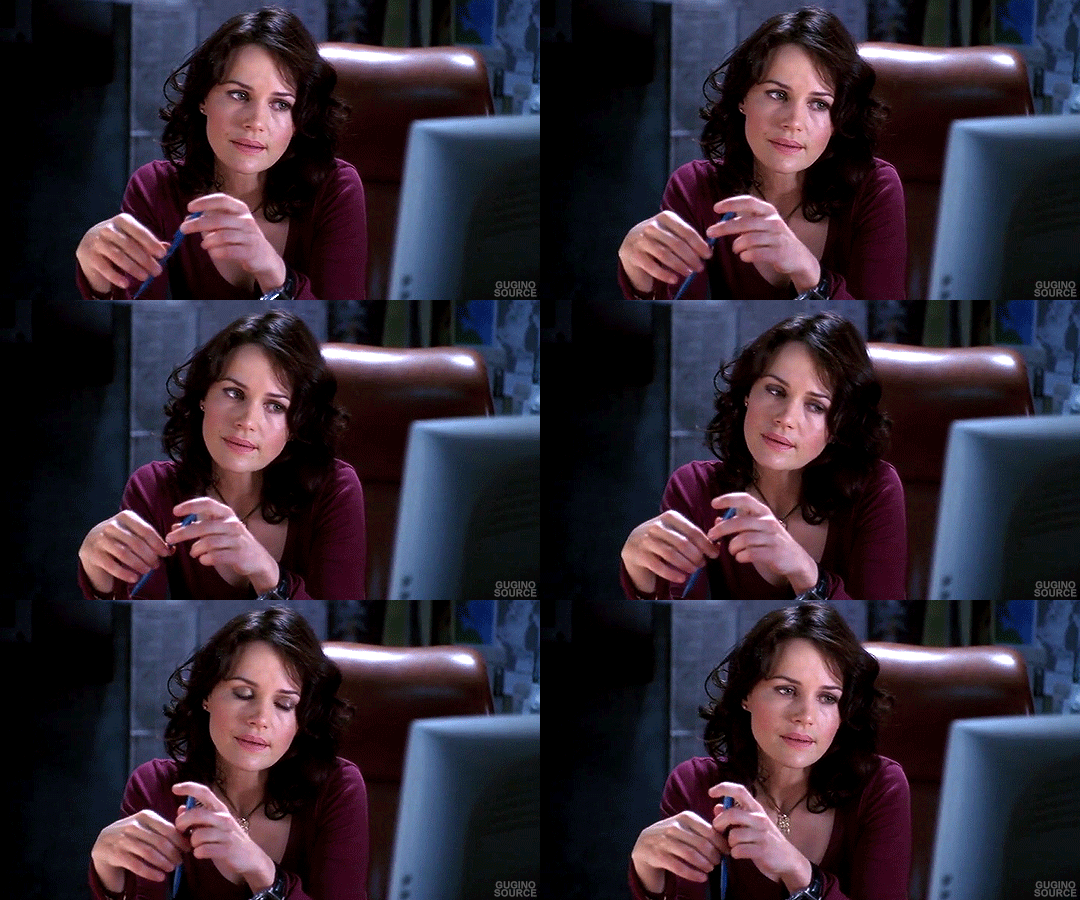
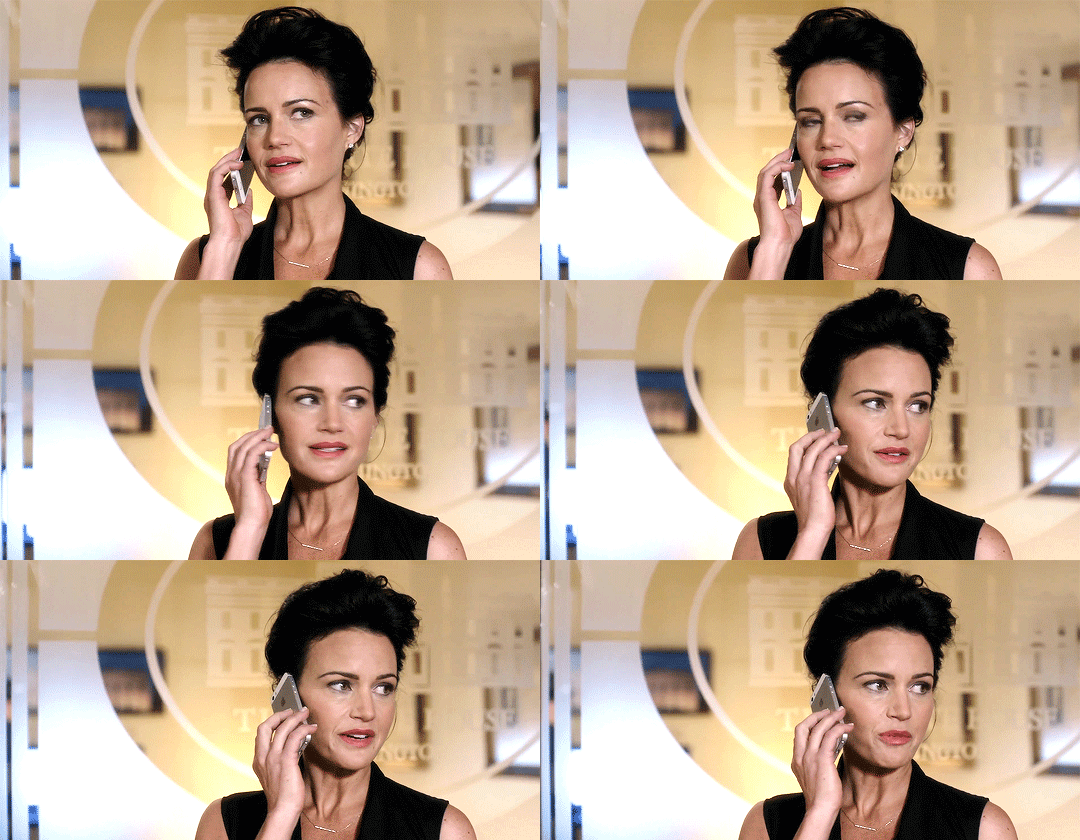
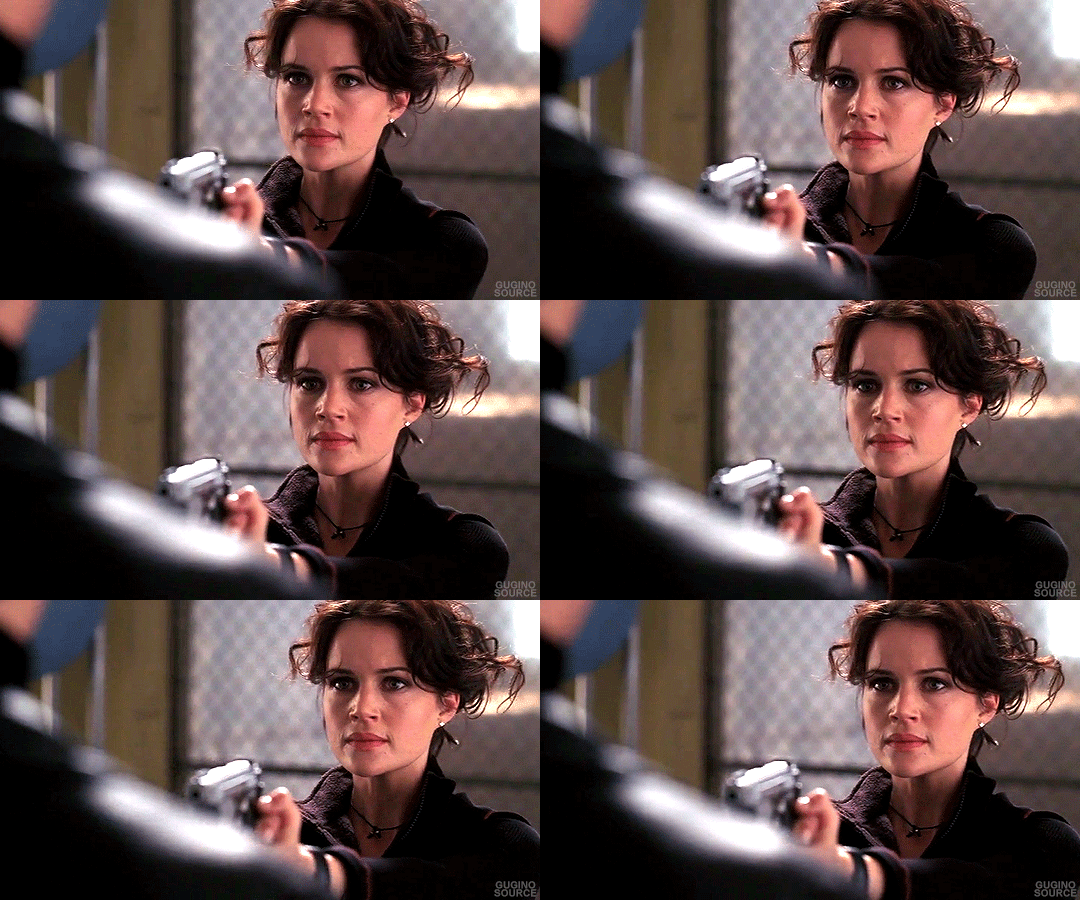
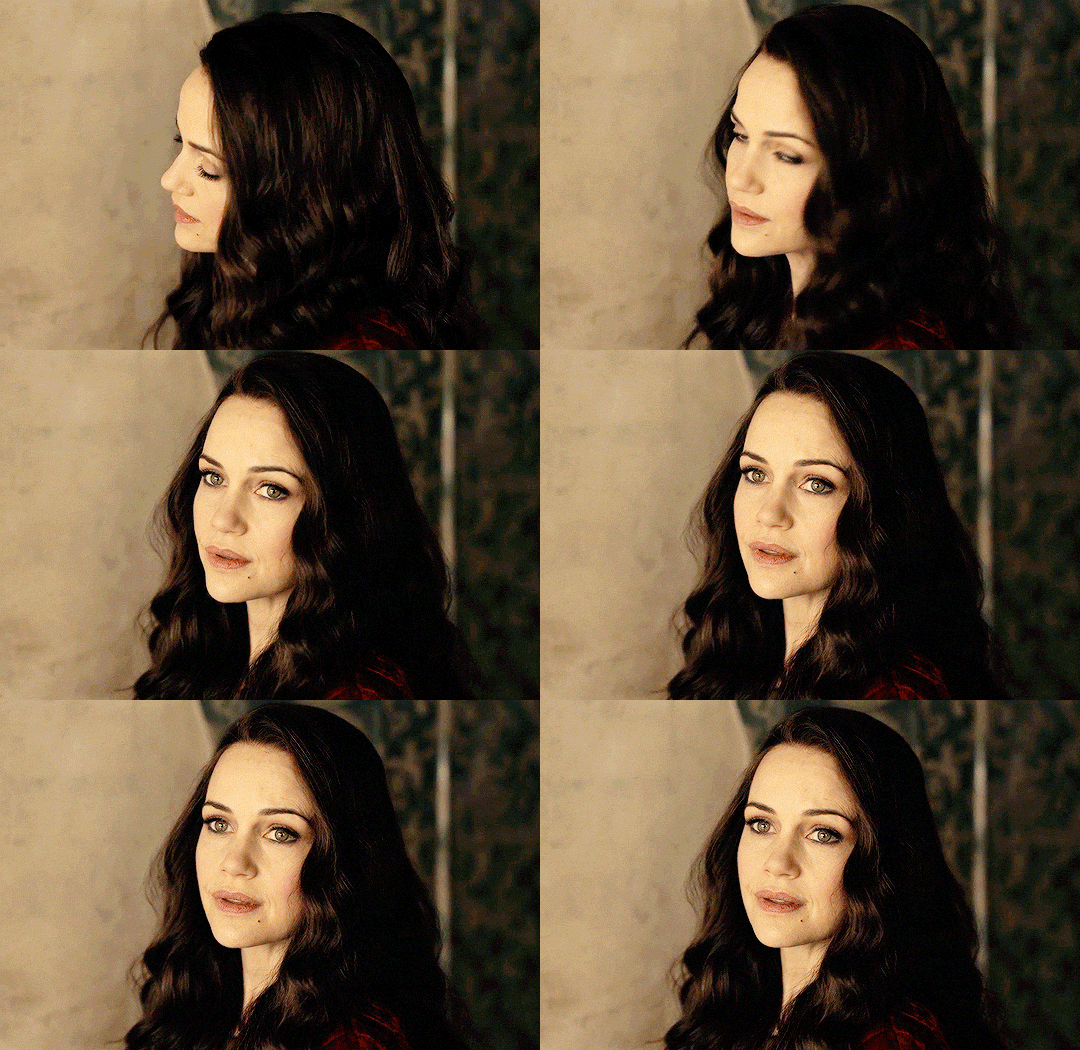
veronica sinclair is the section chief of the behavioral analysis unit—calm, calculating, and always ten steps ahead. a former profiler with a reputation for precision, she left the field in 2004 after a personal tragedy the bureau buried deep. she rarely raises her voice, but when she speaks, people listen. she’s intensely private, with a sharp eye for weakness and a deep loyalty to the few she trusts. beneath the polished control is a woman still haunted by what she lost—and quietly determined to never lose that way again.

  • h e i g h tㅤㅤ5'5"

  • w e i g h tㅤn/a

  • s t r e n g t hㅤㅤ▇▇▇▇▇▇▇▇▇▇

  • d e x t e r i t yㅤㅤ▇▇▇▇▇▇▇▇▇▇

  • h e a l t hㅤㅤ▇▇▇▇▇▇▇▇▇▇

  • e n e r g yㅤㅤ▇▇▇▇▇▇▇▇▇▇

  • b e a u t yㅤㅤ▇▇▇▇▇▇▇▇▇▇▇

  • s t y l eㅤㅤ▇▇▇▇▇▇▇▇▇▇

  • h y g i e n eㅤㅤ▇▇▇▇▇▇▇▇▇▇

LIKES
veronica has a quiet love for classical piano, though she hasn’t played in a while—her favorite piece is debussy’s clair de lune, which she used to play when dani couldn’t sleep. she reads obsessively, favoring authors like joan didion and patricia highsmith for their elegance and psychological sharpness. her comfort food is a perfectly made grilled cheese with tomato soup, but she eats it like it’s a secret. on long drives, she listens to old jazz records and early 2000s indie rock—music that feels just one step removed from grief.
DISLIKES
veronica has no patience for performative grief or people who speak in platitudes—she’s heard every version of “everything happens for a reason,” and none of them brought anyone back. she hates the smell of lilies; they remind her too much of funerals, of rooms gone still. crowded spaces make her uneasy—not out of fear, but because she’s trained to look for exits, and most people never notice the danger until it’s far too late. surprisingly, she can’t stand balloons—the sound, the texture, the way they hover like they’re waiting to burst.

history


Pre FBIVeronica Sinclair grew up in a strict, conservative household just outside of Richmond, Virginia—an only child in a family that prized discipline, image, and silence over emotional truth. Her father was a retired Navy officer, her mother a devout Catholic with rigid expectations, and neither had much patience for softness or deviation. From an early age, Veronica learned to observe rather than speak, to understand people better than they understood her. She was brilliant, distant, and unnervingly composed—someone who carried adult weight long before she was grown.By her mid-teens, she knew she was gay, but she also knew not to say it out loud. The house she lived in didn’t make space for that kind of truth. At seventeen, she confided in her best friend, George Winters—who promptly told her he was gay, too. They married a year later, quietly, as a pre-emptive shield against the world their parents had built around them. It wasn’t about romance. It was survival.That same year—1990—she graduated early and was accepted into the FBI Academy under a fast-tracked program for high-performing recruits. Cold, capable, and already carrying secrets most agents wouldn’t face for decades, Veronica entered Quantico with a ring on her finger, an escape route mapped out, and no illusions left about what safety really looked like.Pre BAU :Veronica Sinclair graduated high school in 1990 and entered the FBI Academy that same year. She was just eighteen—brilliant, intensely focused, and already world-weary in a way most of her classmates didn’t understand. The Bureau had been keeping quiet tabs on her since she was sixteen: a gifted mind with an almost eerie grasp of human behavior, a natural profiler before the title ever existed. She married her best friend, George Winters, the summer before Quantico. They were each other’s cover—two queer kids raised in homes that didn’t tolerate softness, trading wedding bands for freedom.
At the Academy, Veronica met Emily Prentiss. Emily had the charm and the diplomatic lineage; Veronica had the discipline and the sharper instinct. They clashed. Then they didn’t. By graduation in 1992, they were inseparable—too close, too careful, always skating the edge of something unspoken. No one asked. No one had to.
In 1994, both were selected for Interpol’s undercover division, a rare placement for agents that young. The work was intense: long-term identities, embedded surveillance, operations no one talked about after the fact. It wore them down and pulled them together. Between hotel room debriefs and shared aliases, the lines blurred. It was close—reckless, all-consuming, and defined by the fact that it could never exist in daylight. Veronica never opened up about her marriage, and Emily never pushed.
In 1996, Veronica made a private decision: she wanted a child. Using an anonymous donor, she gave birth to Daniella Sinclair while still stationed abroad. Emily remained by her side throughout the pregnancy, and despite everything unspoken between them, she became close to Daniella—warm, playful, protective in a way that surprised even herself. Around this time, Veronica also grew close to Francesca Holloway, a fellow operative and brilliant analyst. Their bond was rooted in mutual respect and quiet stability—nothing romantic, but undeniably deep. Emily, feeling herself being edged out emotionally, misread the situation. Hurt and unsure, she left the Interpol three years after Dani was born.
Jealousy crept in—quiet at first, then unmistakable. Emily watched Veronica with Francesca like something precious was slipping away, but she never said a word. Veronica, caught between too many truths and too few safe places, didn’t see it in time. There was nothing romantic between her and Francesca back then—just trust, and the kind of loyalty forged by proximity and shared danger. But to Emily, it looked like something else entirely.
By 2000, Veronica was offered a place in the Behavioral Analysis Unit—her dream assignment, something she'd quietly worked toward even while buried under aliases and dead drops. She accepted without hesitation. Emily, without explanation, requested reassignment from their joint operation weeks later.
They didn’t speak again.
Veronica returned to D.C. with a daughter, a friend she trusted more than anyone, and a hollow ache she never named. She never told Emily that she was wrong.
At the BAU:In 2004, Veronica Sinclair disappeared. Officially, she stepped away from the Behavioral Analysis Unit for “personal reasons.” Off the record, no one spoke of it. The Bureau is skilled at erasing the unbearable.
That spring, her life was dismantled piece by piece.
The unsub—later identified as Nathan Coyle—was a methodical stalker, obsessive in his fixation with Veronica. For nearly a year, he tracked her cases, sent anonymous messages laced with admiration and veiled threat. She never took him seriously enough. Not until it was too late.
He wanted her to suffer, to understand the kind of pain he claimed she "danced around" in her profiling reports. So he went after what she loved. First, her husband, George Winters. Then her daughter, Daniella Sinclair—eight years old, with Veronica’s sharp eyes and quieter smile. And finally, Francesca Holloway.
Francesca had been her best friend for over a decade. Brilliant, sardonic, magnetic in a way that made people pause without knowing why—Francesca was composed and cutting, with a voice like winter wind and eyes that caught everything. She was also Veronica’s secret. They’d loved each other quietly, carefully, in hotel rooms and coffee-stained case files, always one step behind the lie. George had known. He was her cover, just as she was his. Both gay. Both raised to believe truth could cost more than silence.
Coyle abducted all three in a single afternoon.
Veronica was taken last.
When she woke, it was cold concrete and camcorder static. The unsub had crafted a stage—lit with malice, threaded with wire. She was made to watch. George was first. Then Daniella. Francesca was last. Her face was bloody, defiant, already broken—but she looked at Veronica and mouthed something that Veronica still dreams about. She’s never been able to remember if it was “I love you” or “forgive me.”
Veronica almost died that day too. Coyle had planned it that way—he wanted her final moments laced with helplessness. But she fought. Long enough for Gideon to track a pattern, for Hotch to pull the right thread, for Morgan to kick in the door.
She was bleeding out when they found her. Francesca was still warm.
Veronica spent six months in a federal trauma facility. When she emerged, she filed her resignation. She vanished from fieldwork, from Quantico, from the person she’d once been.
Only a handful of people ever knew what really happened. The BAU never speaks of it. Gideon is gone. Hotch is gone. Morgan is gone. Time has blurred the edges, but Veronica never returned to that house, never said Francesca’s name out loud again.
It’s 2025 now. The Bureau pulled her back for a reason.
But in the quiet, when she’s alone, she still hears Dani’s laugh echoing down a hallway that doesn’t exist anymore.
And she still sees Francesca's eyes—sharp, haunted, and asking a question Veronica will never answer.
Post BAU and return too:After the events of 2004—the abduction and murder of her husband, daughter, and Francesca Holloway—Veronica Sinclair resigned from the BAU without fanfare and disappeared from the field. The Bureau buried the case, and so did she. For a time, she lived in near-total isolation, quietly recovering in a federal trauma facility before rebuilding her life far from Quantico, far from memory.
By 2008, she had reemerged in academia, earning quiet respect as a sharp, emotionally distant lecturer in forensic psychology. Within a few years, she secured tenure as a professor of criminal behavior and psychological profiling at a major university, where her lectures became known for their precision, insight, and complete absence of personal anecdote. She wrote papers under initials only. Her students never asked about her time in the field.
In 2015, after fifteen years of silence, Emily Prentiss showed up at a conference where Veronica was speaking. They shared one drink, then a room. It was a single night—tender, bitter, necessary. There were no promises, only closure. Veronica never spoke of it again, but she kept the hotel key in a box with two old mixtapes and a photograph of Daniella.
In late 2023, she was contacted directly by the Director of the FBI. A string of cases had begun to echo the kind of psychological signatures Veronica once specialized in, and the Bureau needed leadership—someone with experience, distance, and unshakable instinct. She returned to Quantico in 2024 as Section Chief of the Behavioral Analysis Unit, now older, quieter, and surrounded by faces who either didn’t know her past or were careful enough not to ask.
She runs the team with composure and steel, trusted by some, feared by others, and understood by very few. Despite everything, she still believes in the work—just not always the people behind it.
No one calls her Roni anymore. Not even Emily.

timeline


i.

early years & cover marriage
(1972-1990)


veronica grew up in a strict, conservative virginia household where silence was safer than truth. by her late teens, she knew she was a lesbian but hid it beneath layers of control and perfection. at eighteen, she married her best friend, george winters—who, like her, was closeted—to protect themselves from their families’ expectations. it was a pact of survival, not love, and one that shaped her understanding of intimacy and trust.

ii.

fbi academy & interpol
(1990-2000)


she was recruited into the fbi academy straight out of high school in 1990, her intellect and instincts impossible to overlook. there, she met emily prentiss, and by 1994, both were selected to work undercover with interpol. amid the chaos of covert life, veronica gave birth to her daughter, daniella, in 1996 with support from both emily and her close friend francesca holloway. emily eventually left the assignment, misinterpreting veronica’s bond with francesca as romantic, and the fracture between them never fully healed.

iii.

bau years & tragedy
(2000-2004)


veronica joined the bau in 2000, quickly establishing herself as a brilliant and quietly intimidating profiler. she brought daniella and francesca with her to quantico, building a small, fiercely guarded life. in 2004, an unsub obsessed with veronica kidnapped and murdered george, francesca, and eight-year-old daniella—forcing veronica to watch before nearly killing her too. she was saved by hotch, gideon, and morgan, but walked away from the bau for good shortly after.

iv.

disappearance & academia
(2004-2023)


after resigning from the bau, veronica vanished from the public eye and resurfaced a few years later as a tenured professor of criminal behavior and forensic psychology. she rebuilt her life in academia with clinical precision, avoiding the emotional depths that once defined her work. in 2015, she reconnected briefly with emily at a behavioral science conference, resulting in one night of passion and closure. they never spoke of it again, but it laid old wounds to rest.

v.

return to the bureau
(2023-2024)


in late 2023, the fbi director personally requested her return, and in 2024, veronica accepted the position of section chief of the bau. the decision surprised many, but her leadership brought quiet order and strategic clarity to a team in transition. she reunited with former colleagues, including emily and elle, while forming new bonds with agents like ava and alexa strauss. older now, more guarded than ever, veronica commands with gravity, not volume.

vi.

present day & legacy
(2024-present)


veronica remains a deeply private figure—respected, feared, and rarely understood. she keeps her past buried under layers of sharp professionalism, but carries her grief like a shadow. despite her distance, those closest to her—hotch, elle, the strauss siblings—have seen glimpses of the woman beneath the control. and whether she admits it or not, she’s still learning how to let people in… just enough to matter.


headcanons

ㅤphoto behind glassㅤ

behind veronica’s bureau id, carefully tucked where no one can see, is a faded photograph of daniella in heart-shaped sunglasses and a birthday crown. the edges are frayed, the colors washed to soft amber and blue, but the smile is still sharp—pure eight-year-old joy. veronica never pulls it out in front of anyone, but she touches it sometimes, absentmindedly, like someone checking a pulse. it's the only thing she carries from that life. everything else stayed buried in 2004.

ㅤchrome and controlㅤ

veronica has always loved cars—real cars, with weight and muscle and history in the engine. her pride and joy is a black 1967 chevy impala she restored piece by piece in the years after leaving the field. she keeps it spotless, tuned with a precision most people would reserve for weapons. behind the wheel, she isn’t section chief or profiler or survivor—she’s just moving, fast and free, with the growl of the engine drowning everything out. she calls it “her baby,” but only half-jokingly.

ㅤvinyl's and vibesㅤ

veronica’s music collection is a carefully curated blend of classic rock and jazz—artists like led zeppelin, the rolling stones, miles davis, and john coltrane fill her home with timeless sound. she loves the raw energy of guitar riffs and the soulful depth of a smoky trumpet, music that feels authentic and unmanufactured. modern pop and dance music, with their synthetic beats and repetitive hooks, grate on her nerves; she finds them shallow and exhausting. at night, the crackle of a vinyl needle dropping is her favorite kind of company—real, imperfect, and full of feeling.

ㅤher fluence in furyㅤ

in public, veronica is composed, her voice calm and steady, rarely betraying her emotions. but behind closed doors—especially in the sanctuary of her garage or after hours when the weight of bureaucracy grinds her down—she swears with sharp precision and a surprising creativity. her curses are vivid, often laced with multiple languages, and serve as a kind of private therapy, a release valve for the pressure she carries daily. the bureau sees only her restraint; her car, her walls, and sometimes an empty bottle of scotch hear the rest.

ㅤa house without clocksㅤ

veronica doesn’t keep clocks in her home—no ticking hands, no glowing digital numbers on nightstands or kitchen walls. time, to her, is something she already tracks too closely in the field: victim timelines, last sightings, time of death. at home, she prefers silence and uncertainty, space that isn’t measured. her watch stays on the entry table, untouched until morning. if she wakes in the middle of the night, she never checks the hour—just listens to the dark.

ㅤlemon and lavenderㅤ

veronica drinks her coffee black, quick and bitter. but when a case wears her thin or silence becomes too loud, she brews earl grey—francesca’s favorite. the scent—lemon peel and lavender—brings back nights in dim hotel rooms, papers spread across beds, francesca’s voice low and sarcastic, the way she always used to calm veronica down without trying. it’s not nostalgia. it’s ritual. something kept private, sacred, and small enough to survive.


mains


canon


Veronica and Emily share a complicated history—one marked by deep affection, missed timing, and the kind of unspoken truths that never fully go away. What they had in their younger years was real, even if it never had the space to become something lasting. Now, in the present day, they’ve settled into a version of friendship that works: professional, respectful, and laced with the quiet tension of everything they once were. There are glances that linger a beat too long, memories neither of them voice, and a mutual understanding that some doors—once closed—stay closed. But when it matters, they still show up for each other. Always have.
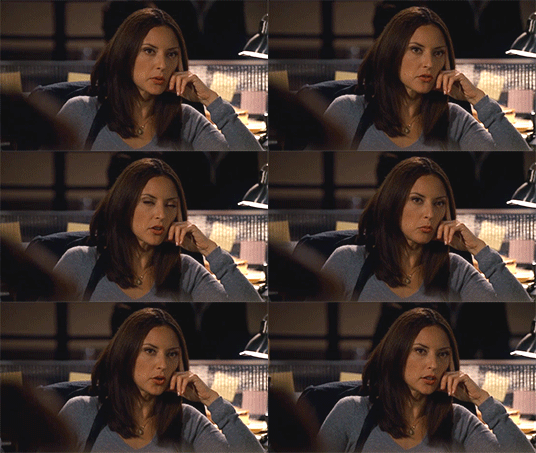
Veronica and Elle first crossed paths in 2005—briefly, during Veronica’s final months at the BAU and Elle’s early days on the team. It was a passing meeting: one seasoned profiler stepping away, another just stepping in. Still, Elle remembered the gravity Veronica carried, the way people quieted when she walked into a room. Veronica, in turn, saw in Elle a rawness she recognized—grief in progress, sharp edges still finding their shape.Years later, when Elle returned to the BAU and found Veronica back as Section Chief, the dynamic was different—more level, less shadowed by timing. They weren’t strangers anymore. There was mutual respect now, earned by everything they’d both survived outside the walls of Quantico. Veronica doesn’t say much, but Elle knows she’s watching, quietly invested. And Veronica, who rarely lets anyone in, has found herself surprisingly steady in Elle’s presence—like two people who missed their overlap the first time but are learning, now, how to exist in each other’s orbit.
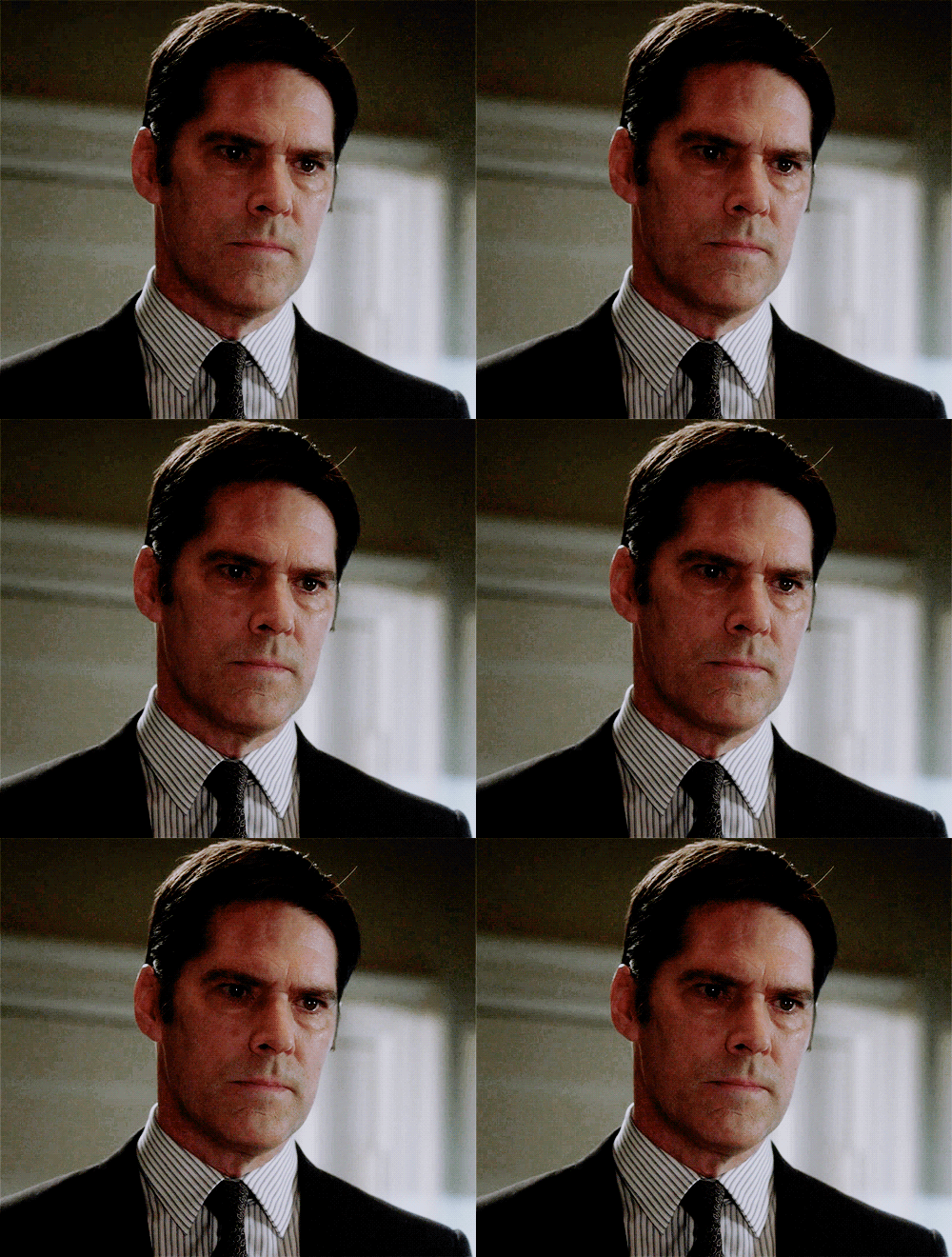
veronica and aaron hotchner were cut from the same cloth—stoic, sharp-minded, and painfully good at compartmentalizing. from the moment she joined the bau, there was a quiet, mutual understanding between them: no need for small talk, no tolerance for weakness, but always, always respect. over time, that respect deepened into something rarer—trust. when veronica’s world collapsed in 2004, it was hotch who found her, who stayed with her until the medics arrived, who never once asked her to explain.even after she left the bureau, hotch was the only one she kept in contact with. no calls for comfort, no drawn-out conversations—just a steady presence in the background of each other’s lives. hayley, ever perceptive, welcomed veronica into their home more than once, offering a softness veronica didn’t know she needed. when hayley was killed, veronica returned the favor without hesitation. she didn’t send flowers. she showed up. sat in silence. watched over jack when needed. because with hotch, it was never about words—it was about showing up when it mattered most.


original
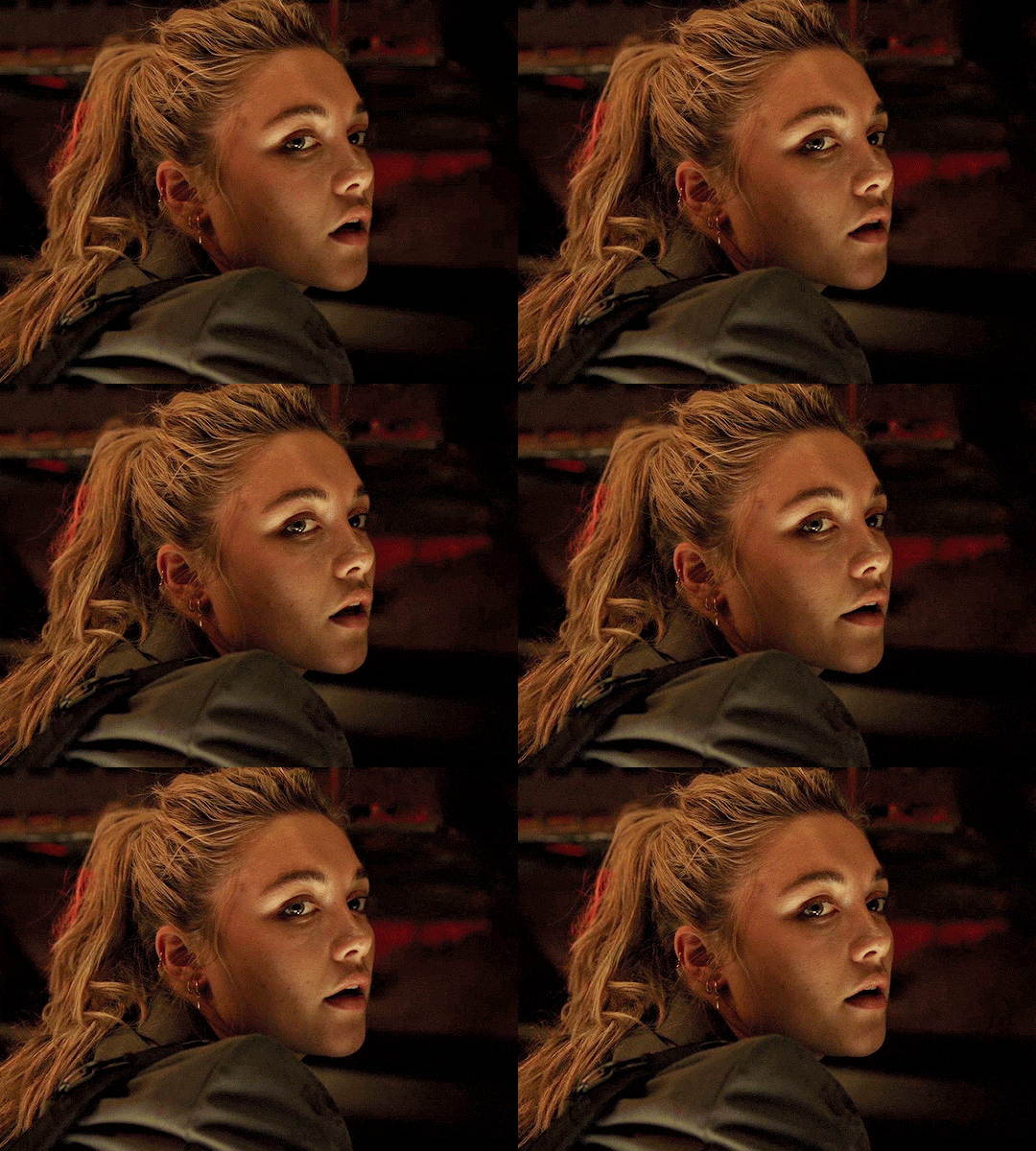
alexa reminds veronica of a ghost she never got to know—sharp-witted, stubborn, fiercely independent, and endlessly curious. it’s not something she says aloud, but watching alexa navigate the world with that familiar fire sometimes feels like looking through a window into the life dani might’ve had. that resemblance—real or imagined—cuts deep, and it’s made veronica instinctively, almost irrationally, protective.she hovers without meaning to. she checks in more often than necessary. and though alexa doesn’t always understand the weight behind veronica’s concern, there’s an unspoken bond growing between them—one forged not just in grief, but in something softer: hope. in veronica’s eyes, alexa is more than just erin strauss’s daughter. she’s a second chance she never asked for, but one she won’t let slip away
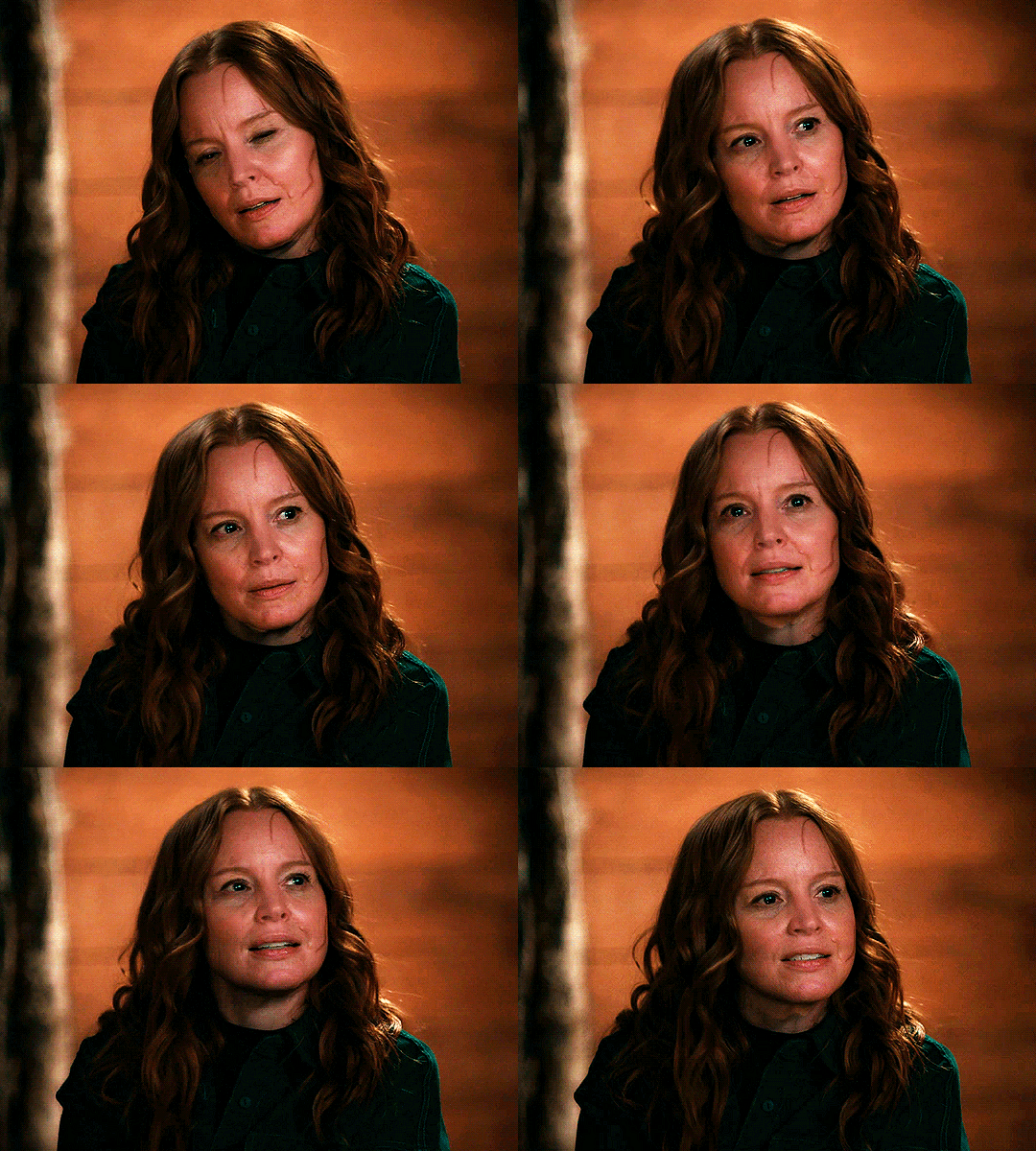
veronica was skeptical of ava strauss from the beginning—not because of who she was, but because of where she came from. as the eldest child of her predecessor, erin strauss, ava walked into the bureau carrying both the weight of a legacy and the sharpness of someone used to navigating power structures. veronica expected ambition, maybe defiance. what she didn’t expect was someone so disarmingly observant, quietly loyal, and impossible to shake.ava has a way of seeing through veronica’s carefully constructed armor without ever calling it out. she’s steady, curious, and a little too good at finding the cracks. and slowly, without fanfare or force, she’s begun to carve out space in veronica’s life—someone she didn’t plan for, but might finally let in.

val has always been the one thread veronica never quite managed to cut, no matter how far she distanced herself from the rest of her family. the daughter of her sister, val grew up on the periphery of veronica’s world—present but never fully let in. her parents are still alive, still tangled in the strained web of silence veronica spun years ago when grief made being near them too painful to bear. it wasn’t anger that drove her away, but memory: val’s laughter, her stubborn streak, the way she looked at the world with wide, fearless eyes—it all reminded veronica too much of what she lost.and yet, val kept reaching out, kept showing up. now, as an adult, she’s carving her own place in veronica’s life—steadily, gently, and without apology. veronica doesn’t say it, but she cherishes her. in val, she sees echoes of dani, and maybe a path back to a version of herself she thought was gone forever.